

Calming the Storm: Managing Agitation in Dementia
Agitation is a common but challenging symptom in dementia, often arising from unmet needs or environmental triggers. This session provides insights into the causes of agitation, alongside effective behavioral techniques to reduce stress and promote calm. Attendees will leave equipped with practical skills to manage agitation compassionately and create a more supportive environment for their clients.

Through the Looking Glass: Understanding and Addressing Dementia-Related Psychosis
Psychosis, a lesser-known symptom of dementia, can be deeply distressing for both the affected individual and their caregivers. This session delves into the causes and types of dementia-related psychosis, offering insights into compassionate management strategies. Learn effective behavioral and communication techniques to support clients experiencing delusions or hallucinations and improve overall care approaches.

The Memory Maze: Navigating Cognitive Challenges in Dementia
Memory loss and cognitive impairment are often the first signs of dementia, but understanding their nuances can make a significant difference in care. This session provides essential knowledge about the causes and types of cognitive decline, along with practical techniques to manage and support those affected by memory and cognitive issues. Attendees will learn behavioral strategies to help individuals navigate cognitive impairment and enhance quality of life.

Neuropsychology and Social Services - Online
Learn how neuropsychology can benefit social services, as well as how to get the most out of an assessment.
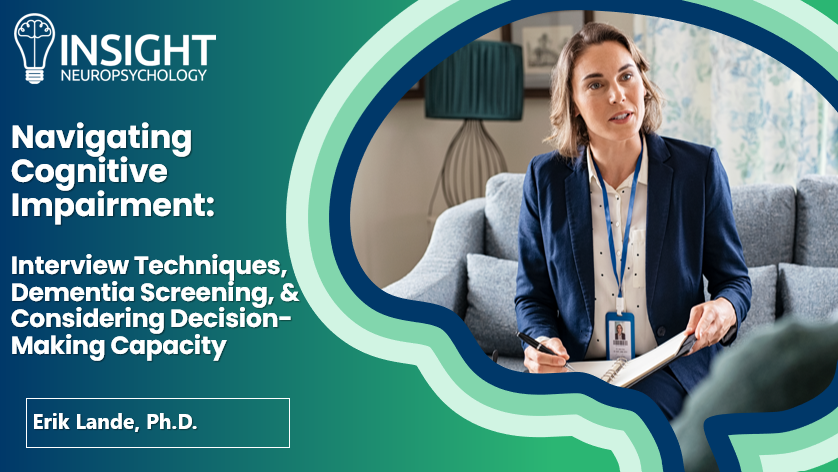
Navigating Cognitive Impairment - Online
This training is being offered as an online live training for the Central California Adult Services Training Academy (CCASTA)!
Aging affects everyone, but understanding the distinction between normal cognitive aging and degenerative conditions is crucial for providing effective support. This training explores how the brain changes over time, distinguishing normal aging from major neurocognitive disorders (NCDs) such as Alzheimer’s disease, frontotemporal dementia, and vascular dementia. By analyzing these differences, clinicians can enhance their ability to assess and assist clients appropriately.
Afternoon Session: Navigating Cognitive Impairment: Interview Techniques, Dementia Screening, & Considering Decision-Making Capacity (3 hours)
Explore the concept of cognitive impairment, including what it includes and potential causes
Develop strategies for effectively interviewing clients with dementia and other significant cognitive impairment
Learn dementia screening tools and tips, as well as how to understand decision-making capacity in the moment
Explores the concept of cognitive impairment and how it affects communication. The development of communication and interview strategies focused on individuals experiencing cognitive impairment is the primary focus, especially major neurocognitive disorder. Through the use of lecture, case study, and group discussion, trainees will have the opportunity to learn new tools for communicating with individuals exhibiting cognitive impairment and some of the behavioral difficulties that often accompany it. We will also consider tools for screening for dementia and decision-making capacity.

Want to book a talk or get email updates on available talks and trainings?
click below
ONLINE COURSES ALSO AVAILABLE

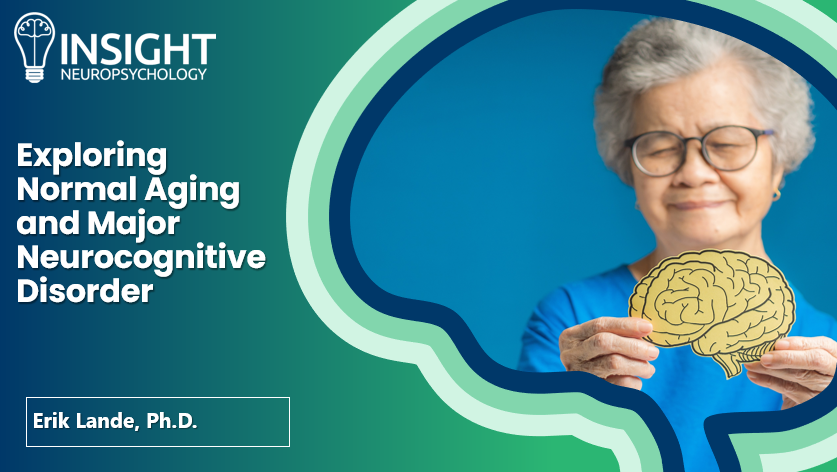
Exploring Normal Aging and Neurocognitive Disorders - Online
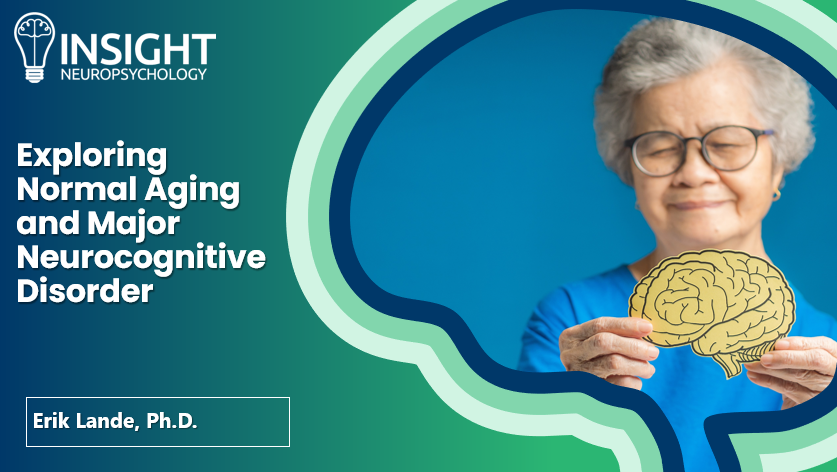
This training is being offered as an online live training for the Central California Adult Services Training Academy (CCASTA)!
Aging affects everyone, but understanding the distinction between normal cognitive aging and degenerative conditions is crucial for providing effective support. This training explores how the brain changes over time, distinguishing normal aging from major neurocognitive disorders (NCDs) such as Alzheimer’s disease, frontotemporal dementia, and vascular dementia. By analyzing these differences, clinicians can enhance their ability to assess and assist clients appropriately.
Morning Session: Exploring Normal Aging and Neurocognitive Disorder (3 hours)
Differentiate between the effects of normal aging versus issues seen with degenerative major neurocognitive disorders
Develop a further understanding major neurocognitive disorder and its common types
Learn tools to support both normally aging older adults and individuals with major neurocognitive disorder
Analyzes how normal aging affects the brain and cognition in comparison to the development of a degenerative condition. Develops critical awareness of the differences between the various degenerative major neurocognitive disorders, with a focus on implications this has when working with these clients. Trainees will have the opportunity to learn a basic model of the brain. Through the use of discussion and individual activities, trainees will learn to challenge their own assumptions and help their clients to do so as well.
Want to book a talk or get email updates on available talks and trainings?
click below
ONLINE COURSES ALSO AVAILABLE
Reasoning with the Aging Brain
This 6 hour training is being offered as an online live training for the Central California Adult Services Training Academy (CCASTA)!
Explore dementia and what affects the aging brain in more detail using trauma informed care as a base model. We will further explore the aged brain’s unsafe / unwise choices and work to develop effective interventions and approach styles for staff. We will also address our personal health and stress, given that caring for others can have a big impact on us.
Want to book a talk or get email updates on available talks and trainings?
click below

ONLINE COURSES ALSO AVAILABLE

Dementia Training for Ventura Law Enforcement Crisis Intervention Team (CIT)
Ventura County Law Enforcement Crisis Intervention Training - Dementia
This training is being offered live!
This will be part of the 40 hour crisis intervention training (CIT) workshop provided to certify Ventura County law enforcement personnel.
Dr. Duff will be presenting on dementia as he has done for a number of years with Ventura CIT. This talk will include what dementia is and what are the varieties of dementia, as well as focusing on how to be aware of possible dementia and how to work effectively with members of the public that have dementia or serious cognitive impairment.

Want to book a talk or get email updates on available talks and trainings?
click below
ONLINE COURSES ALSO AVAILABLE

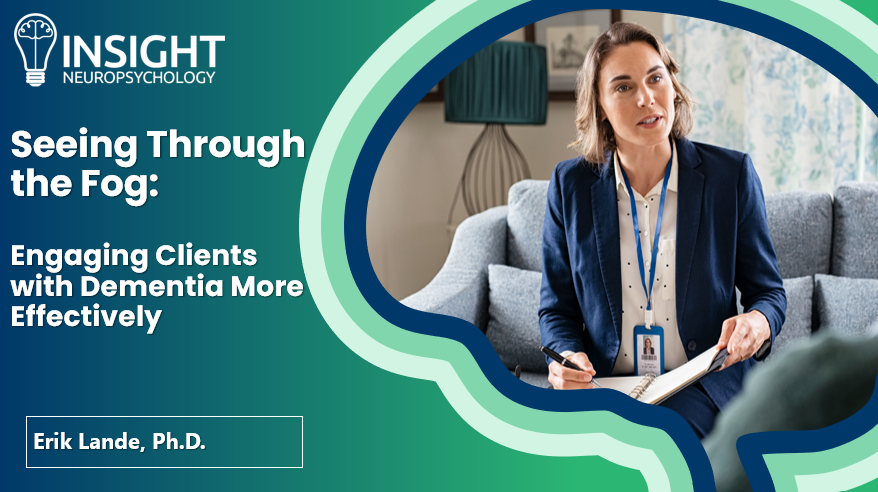
Seeing Through the Fog: Engaging clients with dementia more effectively
In this training we will explore what cognitive impairment truly means, how dementia affects communication, and how Ombudsman can adjust their approach to improve clarity, trust, and outcomes.

Inherited Decline: Understanding Huntington’s Dementia
Huntington’s Dementia stems from a genetic condition that affects motor skills, cognition, and emotions. This session covers the unique challenges of Huntington’s, its progression, treatments, and strategies for caregivers to provide supportive care.

Safeguarding Vulnerable Adults: A Deep Dive into Aging and Neurocognitive Disorder - Online

This training is being offered as an online live training for the Central California Adult Services Training Academy (CCASTA)!
Aging affects everyone, but understanding the distinction between normal cognitive aging and degenerative conditions is crucial for providing effective support. This training explores how the brain changes over time, distinguishing normal aging from major neurocognitive disorders (NCDs) such as Alzheimer’s disease, frontotemporal dementia, and vascular dementia. By analyzing these differences, clinicians can enhance their ability to assess and assist clients appropriately.
This is a 2 part, 6 hour training:
Morning Session: Exploring Normal Aging and Neurocognitive Disorder (3 hours)
o Differentiate between the effects of normal aging versus issues seen with degenerative major neurocognitive disorders
o Develop a further understanding major neurocognitive disorder and its common types
o Learn tools to support both normally aging older adults and individuals with major neurocognitive disorder
Analyzes how normal aging affects the brain and cognition in comparison to the development of a degenerative condition. Develops critical awareness of the differences between the various degenerative major neurocognitive disorders, with a focus on implications this has when working with these clients. Trainees will have the opportunity to learn a basic model of the brain. Through the use of discussion and individual activities, trainees will learn to challenge their own assumptions and help their clients to do so as well.
Afternoon Session: Navigating Cognitive Impairment: Interview Techniques, Dementia Screening, & Considering Decision-Making Capacity (3 hours)
o Explore the concept of cognitive impairment, including what it includes and potential causes
o Develop strategies for effectively interviewing clients with dementia and other significant cognitive impairment
o Learn dementia screening tools and tips, as well as how to understand decision-making capacity in the moment
Explores the concept of cognitive impairment and how it affects communication. The development of communication and interview strategies focused on individuals experiencing cognitive impairment is the primary focus, especially major neurocognitive disorder. Through the use of lecture, case study, and group discussion, trainees will have the opportunity to learn new tools for communicating with individuals exhibiting cognitive impairment and some of the behavioral difficulties that often accompany it. We will also consider tools for screening for dementia and decision-making capacity.
Want to book a talk or get email updates on available talks and trainings?
click below
ONLINE COURSES ALSO AVAILABLE

Calming the Storm: Managing Agitation in Dementia
Agitation is a common but challenging symptom in dementia, often arising from unmet needs or environmental triggers. This session provides insights into the causes of agitation, alongside effective behavioral techniques to reduce stress and promote calm. Attendees will leave equipped with practical skills to manage agitation compassionately and create a more supportive environment for their clients.
Calming the Storm: Managing Agitation in Dementia
Agitation is a common but challenging symptom in dementia, often arising from unmet needs or environmental triggers. This session provides insights into the causes of agitation, alongside effective behavioral techniques to reduce stress and promote calm. Attendees will leave equipped with practical skills to manage agitation compassionately and create a more supportive environment for their clients.

Toxic Memory: Dementias Linked to Substance Use
Substance use can cause long-term cognitive damage, resulting in dementia-like symptoms. This session highlights the behavioral and cognitive impacts of substance use-related dementias, their course, treatments, and strategies for managing challenging behaviors.

Lost for Words: Overcoming Aphasia and other Communication Barriers in Neurocognitive Disorders
Aphasia, the loss of language ability, poses unique challenges in dementia care. This training equips attendees with the tools to understand aphasia’s impact and how best to communicate with those affected. Through real-world examples and practice-based techniques, attendees will learn how to bridge communication gaps, reduce frustration, and foster meaningful connections.

When the Brain’s Highways Narrow: A Look at Vascular Dementias
Vascular dementia results from reduced blood flow to the brain, leading to cognitive and behavioral symptoms. This session discusses the varying presentations of vascular dementia, its progression, medical management, and behavioral strategies to enhance quality of life.
Lost for Words: Overcoming Aphasia and other Communication Barriers in Neurocognitive Disorders
Aphasia, the loss of language ability, poses unique challenges in dementia care. This training equips attendees with the tools to understand aphasia’s impact and how best to communicate with those affected. Through real-world examples and practice-based techniques, attendees will learn how to bridge communication gaps, reduce frustration, and foster meaningful connections.
Safeguarding Vulnerable Adults: A Deep Dive into Aging and Neurocognitive Disorder
This training is being offered in person for the Central California Adult Services Training Academy (CCASTA)!
Aging affects everyone, but understanding the distinction between normal cognitive aging and degenerative conditions is crucial for providing effective support. This training explores how the brain changes over time, distinguishing normal aging from major neurocognitive disorders (NCDs) such as Alzheimer’s disease, frontotemporal dementia, and vascular dementia. By analyzing these differences, clinicians can enhance their ability to assess and assist clients appropriately.
This is a 2 part, 6 hour training:
Morning Session: Exploring Normal Aging and Neurocognitive Disorder (3 hours)
o Differentiate between the effects of normal aging versus issues seen with degenerative major neurocognitive disorders
o Develop a further understanding major neurocognitive disorder and its common types
o Learn tools to support both normally aging older adults and individuals with major neurocognitive disorder
Analyzes how normal aging affects the brain and cognition in comparison to the development of a degenerative condition. Develops critical awareness of the differences between the various degenerative major neurocognitive disorders, with a focus on implications this has when working with these clients. Trainees will have the opportunity to learn a basic model of the brain. Through the use of discussion and individual activities, trainees will learn to challenge their own assumptions and help their clients to do so as well.
Afternoon Session: Navigating Cognitive Impairment: Interview Techniques, Dementia Screening, & Considering Decision-Making Capacity (3 hours)
o Explore the concept of cognitive impairment, including what it includes and potential causes
o Develop strategies for effectively interviewing clients with dementia and other significant cognitive impairment
o Learn dementia screening tools and tips, as well as how to understand decision-making capacity in the moment
Explores the concept of cognitive impairment and how it affects communication. The development of communication and interview strategies focused on individuals experiencing cognitive impairment is the primary focus, especially major neurocognitive disorder. Through the use of lecture, case study, and group discussion, trainees will have the opportunity to learn new tools for communicating with individuals exhibiting cognitive impairment and some of the behavioral difficulties that often accompany it. We will also consider tools for screening for dementia and decision-making capacity.
Want to book a talk or get email updates on available talks and trainings?
click below
ONLINE COURSES ALSO AVAILABLE
Dementia Training for Ventura Law Enforcement
Ventura County Law Enforcement Crisis Intervention Training - Dementia
This training is being offered live!
This will be part of the 40 hour crisis intervention training (CIT) workshop provided to certify Ventura County law enforcement personnel.
Dr. Duff will be presenting on dementia as he has done for a number of years with Ventura CIT. This talk will include what dementia is and what are the varieties of dementia, as well as focusing on how to be aware of possible dementia and how to work effectively with members of the public that have dementia or serious cognitive impairment.
Want to book a talk or get email updates on available talks and trainings?
click below
ONLINE COURSES ALSO AVAILABLE

Navigating Cognitive Impairment: Interview Techniques, Dementia Screening, & Considering Decision-Making Capacity

Age Well: Strategies to Keep Thinking Strong
This training is being offered exclusively at the California State Association of Public Administrators, Public Guardians, Public Conservators Convention in Palm Springs
It is a 3 hour class
Navigating Cognitive Impairment: Interview Techniques, Dementia Screening, & Considering Decision-Making Capacity
This training is being offered in person!
Explore the concept of cognitive impairment, including what it includes and potential causes
Develop strategies for effectively interviewing clients with dementia and other significant cognitive impairment
Learn dementia screening tools and tips, as well as how to understand decision-making capacity in the moment
-Dr. Lande will be providing this training live in Palm Springs
Want to book a talk or get email updates on available talks and trainings?
click below
ONLINE COURSES ALSO AVAILABLE

Age Well: Strategies to Keep Thinking Strong

Age Well: Strategies to Keep Thinking Strong
This training is being offered exclusively at the California State Association of Public Administrators, Public Guardians, Public Conservators Convention in Palm Springs
Age Well is a 1.5 hour class
Discover the keys to maintaining a healthy brain and improving cognitive function as we age. This session delves into the impact of the normal aging process on memory and thinking skills, highlighting the brain's remarkable features of plasticity, neurogenesis, and cognitive reserve. Learn about the latest research and practical, evidence-based lifestyle strategies to promote brain health and enhance cognitive abilities. Equip yourself with the tools to support a stronger, more resilient brain throughout the aging process.
-Dr. Lande will be providing this training live in Anaheim
Want to book a talk or get email updates on available talks and trainings?
click below
ONLINE COURSES ALSO AVAILABLE

AI in Elder Care - The Companion that Never Gets Tired

AI in Elder Care - The Companion that Never Gets Tired
This training is being offered exclusively at the California State Association of Public Administrators, Public Guardians, Public Conservators Convention in Palm Springs
AI in Elder Care is a 1.5 hour class
As artificial intelligence becomes more advanced, its potential applications in eldercare and dementia support are expanding. This session will explore how AI can be used to assist older adults—both those experiencing normal aging and those with neurocognitive disorders—as well as their caregivers. We will examine AI-powered tools that aid in cognitive stimulation, daily living, emotional support, and health monitoring. Special attention will be given to conversational AI, which can provide companionship, cognitive coaching, and personalized reminders.
Through lecture and interactive examples, participants will gain insight into the practical benefits and challenges of integrating AI into caregiving. We will also address ethical considerations, privacy concerns, and strategies for ensuring AI remains a supportive tool rather than a replacement for human connection. Attendees will leave with actionable knowledge of AI tools that can improve the quality of life for both caregivers and those they serve.
Training Objectives:
Understand the role of AI in supporting individuals with dementia and their caregivers.
Identify AI tools that can enhance cognitive function, safety, and daily living for older adults.
Explore AI-driven solutions for reducing caregiver burden and improving care coordination.
Discuss ethical considerations and practical implementation of AI in eldercare settings.
-Dr. Duff will be providing this training live in Palm Springs
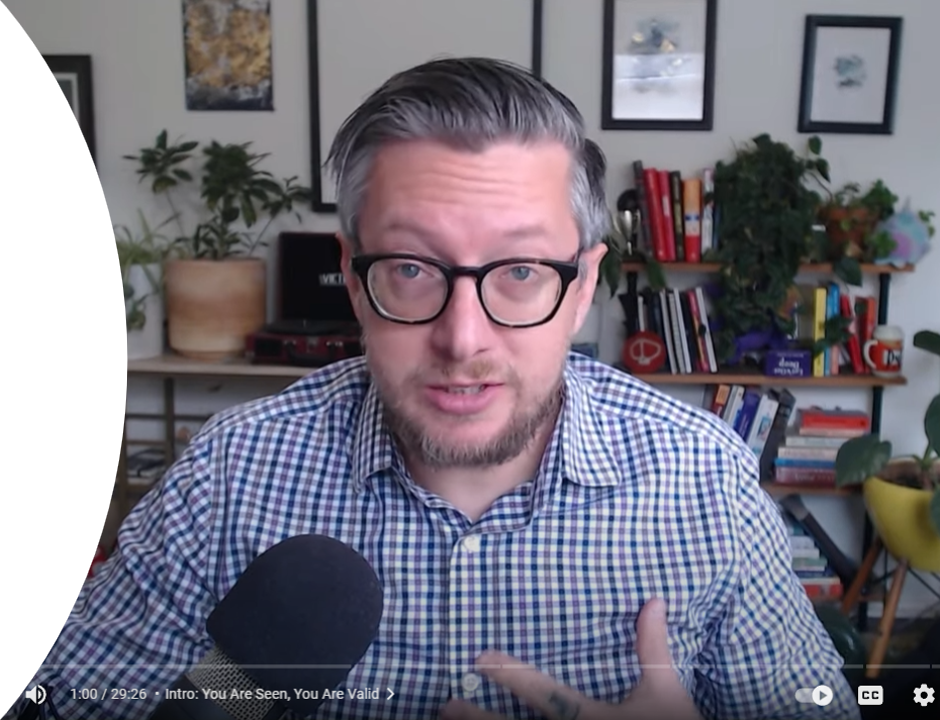
Want to book a talk or get email updates on available talks and trainings?
click below
ONLINE COURSES ALSO AVAILABLE
Dementia Training for Ventura Law Enforcement
Ventura County Law Enforcement Crisis Intervention Training - Dementia
This training is being offered live!
This will be part of the 40 hour crisis intervention training (CIT) workshop provided to certify Ventura County law enforcement personnel.
Dr. Lande will be presenting on dementia as he has done for a number of years with Ventura CIT. This talk will include what dementia is and what are the varieties of dementia, as well as focusing on how to be aware of possible dementia and how to work effectively with members of the public that have dementia or serious cognitive impairment.
Want to book a talk or get email updates on available talks and trainings?
click below
ONLINE COURSES ALSO AVAILABLE
Safeguarding Vulnerable Adults: A Deep Dive into Aging and Neurocognitive Disorder
This training is being offered in person for the Central California Adult Services Training Academy (CCASTA)!
Aging affects everyone, but understanding the distinction between normal cognitive aging and degenerative conditions is crucial for providing effective support. This training explores how the brain changes over time, distinguishing normal aging from major neurocognitive disorders (NCDs) such as Alzheimer’s disease, frontotemporal dementia, and vascular dementia. By analyzing these differences, clinicians can enhance their ability to assess and assist clients appropriately.
This is a 2 part, 6 hour training:
Morning Session: Exploring Normal Aging and Neurocognitive Disorder (3 hours)
o Differentiate between the effects of normal aging versus issues seen with degenerative major neurocognitive disorders
o Develop a further understanding major neurocognitive disorder and its common types
o Learn tools to support both normally aging older adults and individuals with major neurocognitive disorder
Analyzes how normal aging affects the brain and cognition in comparison to the development of a degenerative condition. Develops critical awareness of the differences between the various degenerative major neurocognitive disorders, with a focus on implications this has when working with these clients. Trainees will have the opportunity to learn a basic model of the brain. Through the use of discussion and individual activities, trainees will learn to challenge their own assumptions and help their clients to do so as well.
Afternoon Session: Navigating Cognitive Impairment: Interview Techniques, Dementia Screening, & Considering Decision-Making Capacity (3 hours)
o Explore the concept of cognitive impairment, including what it includes and potential causes
o Develop strategies for effectively interviewing clients with dementia and other significant cognitive impairment
o Learn dementia screening tools and tips, as well as how to understand decision-making capacity in the moment
Explores the concept of cognitive impairment and how it affects communication. The development of communication and interview strategies focused on individuals experiencing cognitive impairment is the primary focus, especially major neurocognitive disorder. Through the use of lecture, case study, and group discussion, trainees will have the opportunity to learn new tools for communicating with individuals exhibiting cognitive impairment and some of the behavioral difficulties that often accompany it. We will also consider tools for screening for dementia and decision-making capacity.
Want to book a talk or get email updates on available talks and trainings?
click below
ONLINE COURSES ALSO AVAILABLE

The Mind and Movement: Parkinson’s and Lewy Body Dementias
Parkinson’s Dementia and Lewy Body Dementia are overlapping conditions but also present unique challenges, including visual hallucinations and movement difficulties. This session examines their behavioral and cognitive symptoms, progression, treatments, and supportive care strategies.
Calming the Storm: Managing Agitation in Dementia
Agitation is a common but challenging symptom in dementia, often arising from unmet needs or environmental triggers. This session provides insights into the causes of agitation, alongside effective behavioral techniques to reduce stress and promote calm. Attendees will leave equipped with practical skills to manage agitation compassionately and create a more supportive environment for their clients.

Lost for Words: Overcoming Aphasia and other Communication Barriers in Dementia
Aphasia, the loss of language ability, poses unique challenges in dementia care. This training equips attendees with the tools to understand aphasia’s impact and how best to communicate with those affected. Through real-world examples and practice-based techniques, attendees will learn how to bridge communication gaps, reduce frustration, and foster meaningful connections.

Behavior and Language in Decline: Understanding Frontotemporal Dementias
Frontotemporal Dementia (FTD) and its subtypes including Primary Progressive Aphasia (PPA) affect behavior, emotions, and language, often disrupting interpersonal relationships. This session provides an overview of these conditions, their course, treatment options, and practical strategies for managing challenges associated with these conditions.
Through the Looking Glass: Understanding and Addressing Dementia-Related Psychosis
Psychosis, a lesser-known symptom of dementia, can be deeply distressing for both the affected individual and their caregivers. This session delves into the causes and types of dementia-related psychosis, offering insights into compassionate management strategies. Learn effective behavioral and communication techniques to support clients experiencing delusions or hallucinations and improve overall care approaches.
The Memory Maze: Navigating Cognitive Challenges in Dementia
Memory loss and cognitive impairment are often the first signs of dementia, but understanding their nuances can make a significant difference in care. This session provides essential knowledge about the causes and types of cognitive decline, along with practical techniques to manage and support those affected by memory and cognitive issues. Attendees will learn behavioral strategies to help individuals navigate cognitive impairment and enhance quality of life.