

Books for Professionals
From normal aging and the dementia spectrum to memory loss, psychosis, communication, agitation, safety, financial exploitation, undue influence, and decision-making capacity, this comprehensive resource translates complex clinical concepts into clear, practical guidance for real-world practice.
One comprehensive foundation. Three practical Field Guides.
Build a deeper understanding with the comprehensive textbook, then take that knowledge into the field with focused guides, practical strategies, downloadable checklists, interview tools, worksheets, and quick-reference resources.
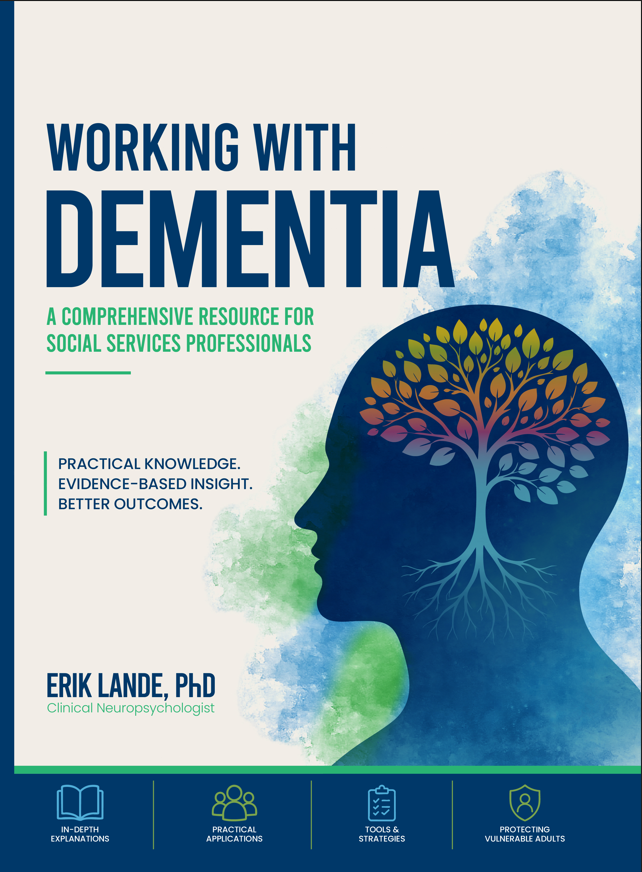
Working with Dementia
A Comprehensive Resource for Social Services Professionals
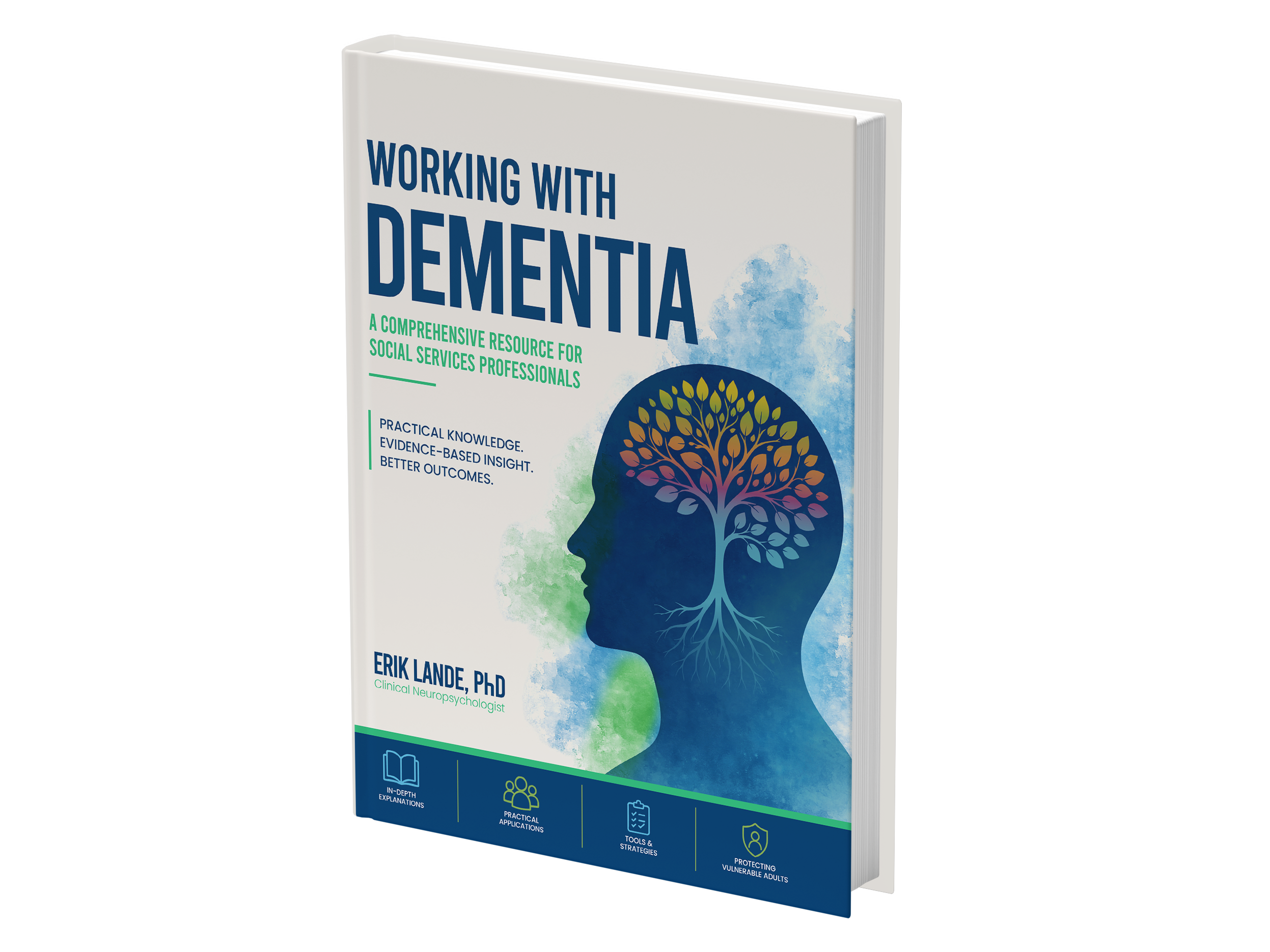
Understand dementia.
Recognize what you see.
Know how to respond.
Working with Dementia: A Comprehensive Resource for Social Services Professionals brings together the clinical knowledge and practical guidance professionals need when working with people living with dementia and vulnerable older adults.
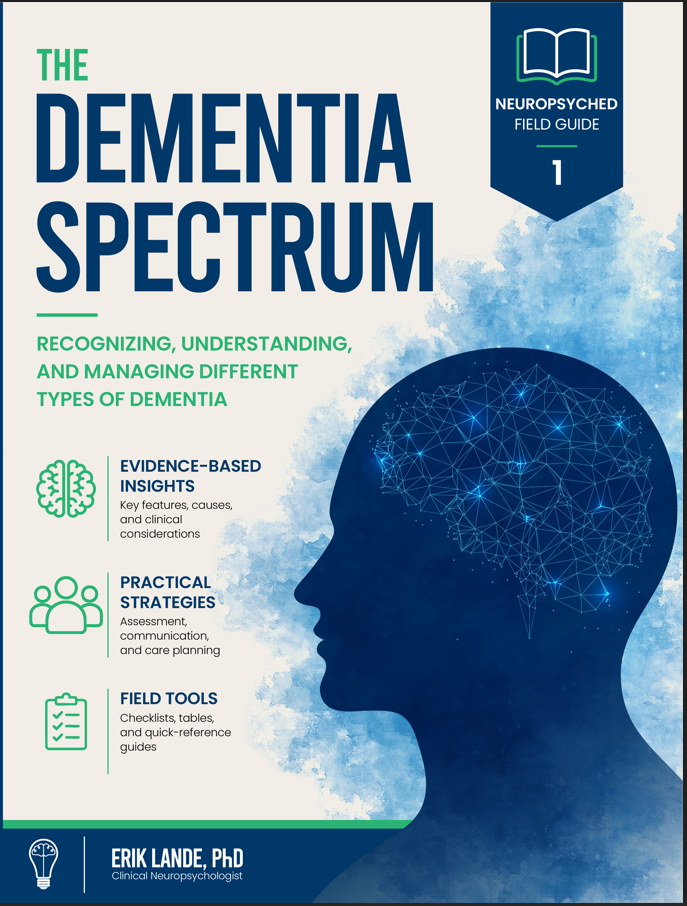
The Dementia Spectrum
Recognizing, Understanding, and Managing Different Types of Dementia

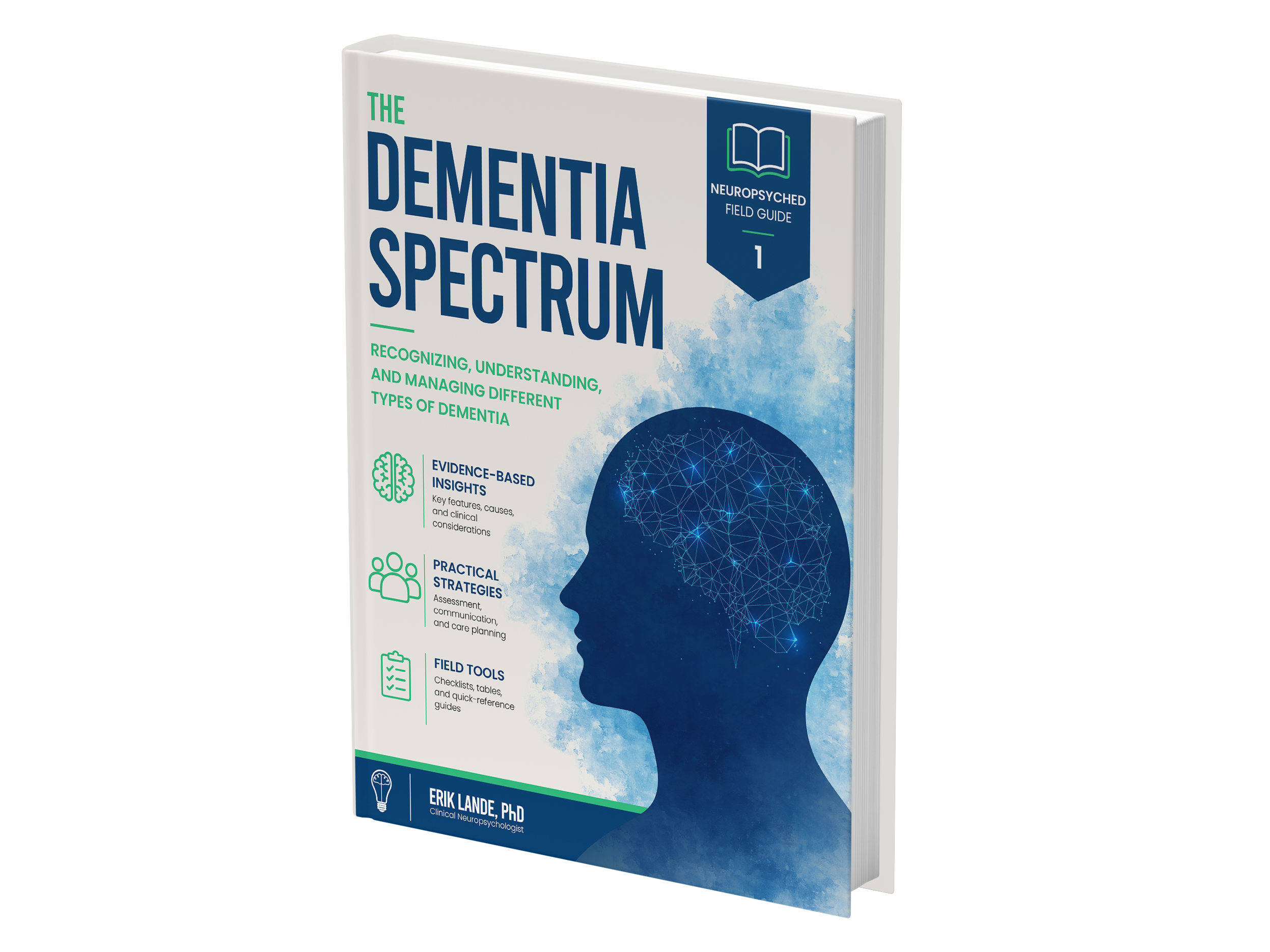
Recognize the differences.
Understand what they mean.
Respond more effectively.
The Dementia Spectrum helps professionals distinguish normal aging from dementia, recognize conditions that can mimic cognitive decline, and understand how different dementias affect memory, behavior, language, movement, and everyday functioning.
Written for real-world practice, it translates clinical knowledge into practical guidance for recognizing what may be happening and determining appropriate next steps.
Practical Tools You Can Take Into the Field
The Dementia Spectrum includes downloadable Field Tools designed to help translate knowledge into practice. Scan the QR codes throughout the guide for quick-reference guides, checklists, diagnostic pathways, and other resources you can use in the field.
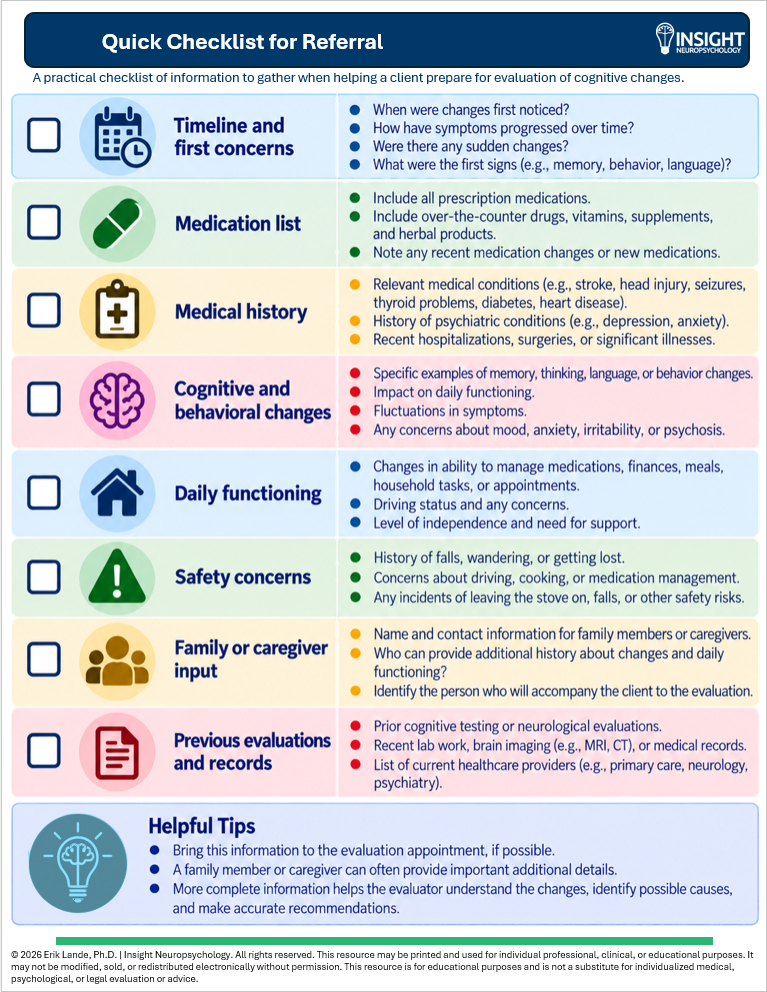
QUICK CHECKLIST FOR REFERRAL
Know when cognitive changes warrant further evaluation.
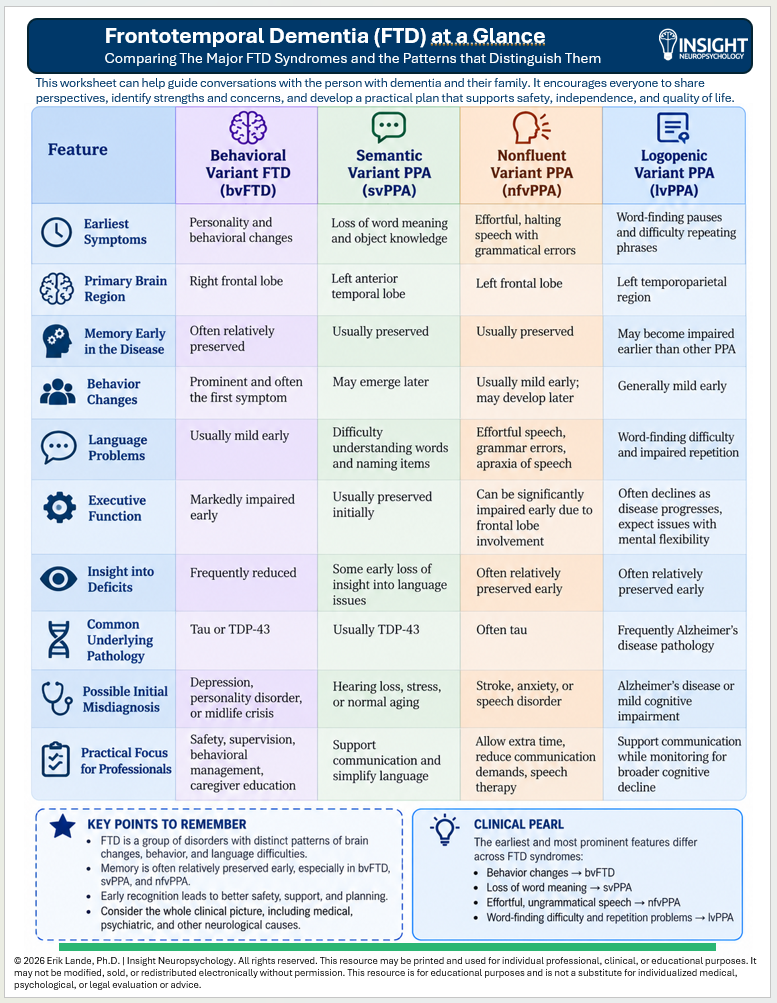
FTD AT-A-GLANCE
Compare the major frontotemporal dementia syndromes and the features that distinguish them.
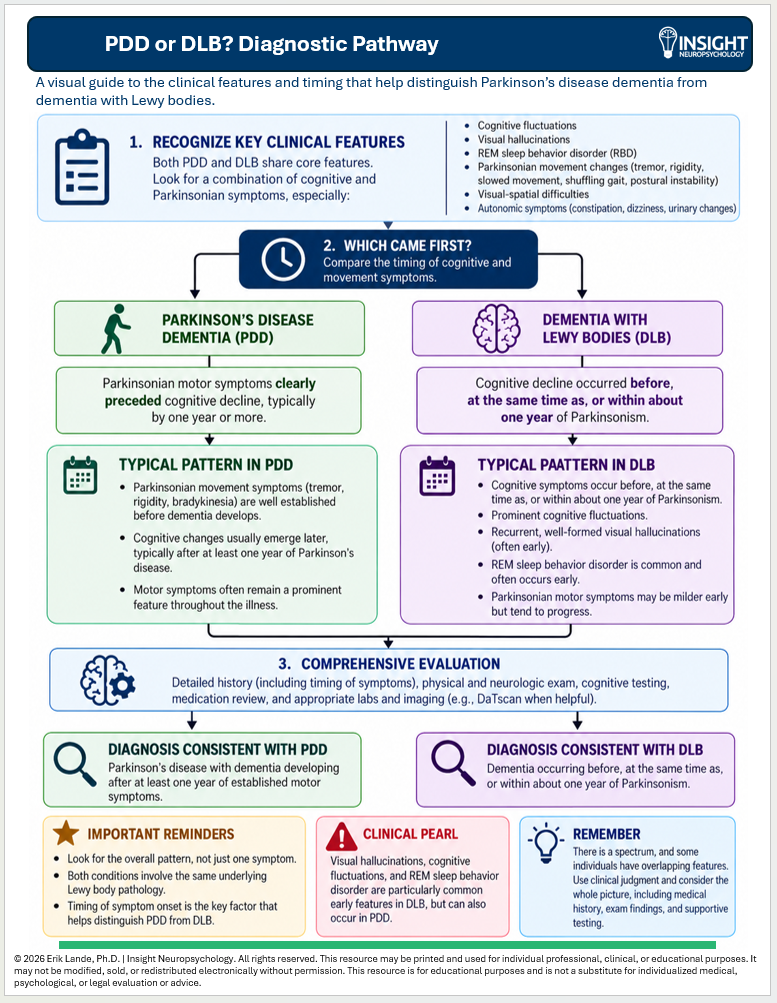
PDD OR DLB? DIAGNOSTIC PATHWAY
Use clinical features and timing to understand two closely related Lewy body disorders.
More Field Tools Throughout the Guide
Additional downloads address healthy brain aging, dementia identification and diagnosis, Alzheimer's disease and LATE, vascular and substance-related cognitive impairment, and genetic and rare dementias.

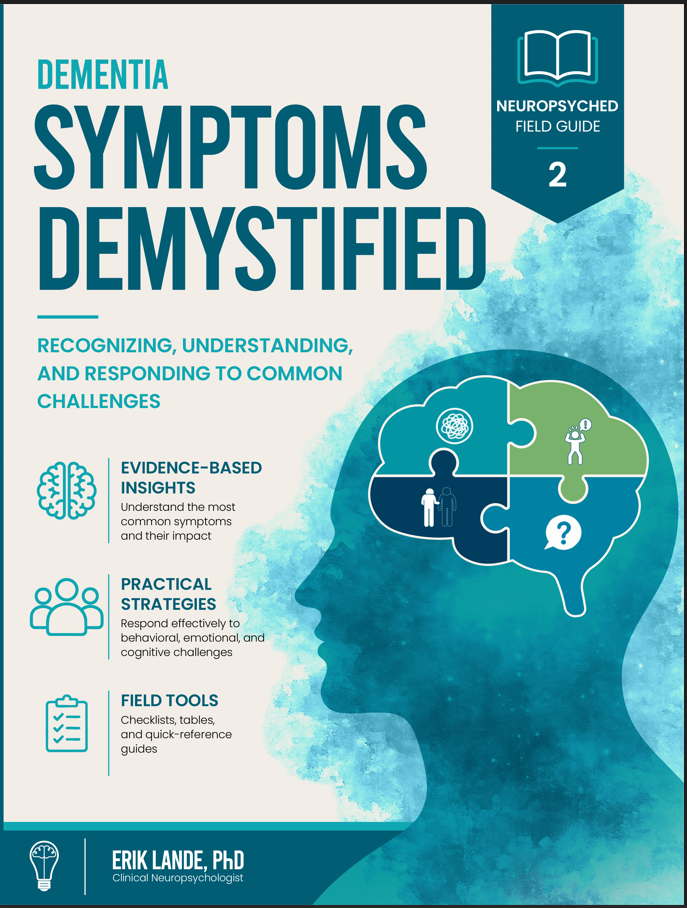
Dementia Symptoms Demystified
Recognizing, Understanding, and Responding to Common Challenges
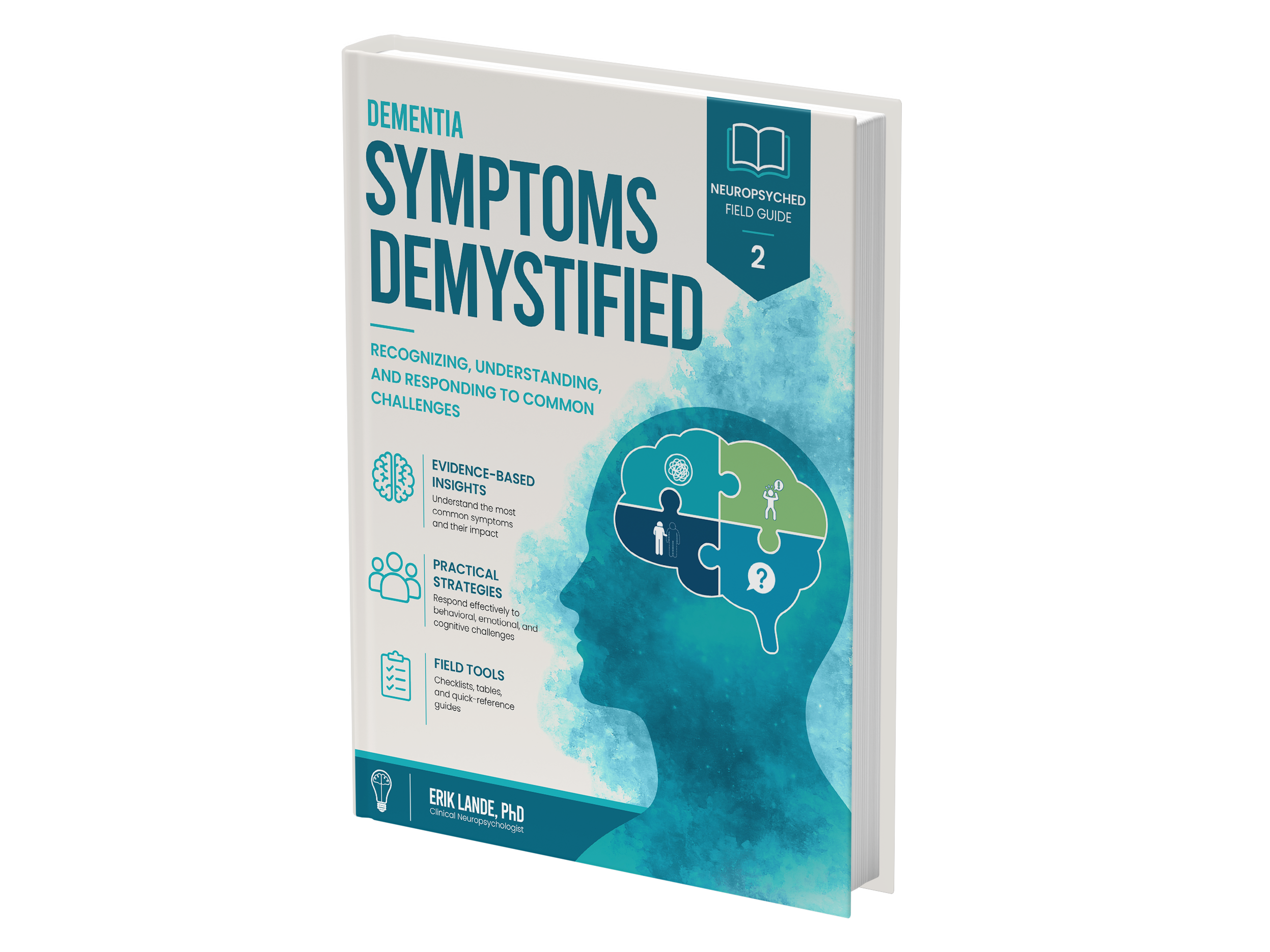
Understand the symptom.
Look for what is driving it.
Respond in ways that help.
Dementia Symptoms Demystified helps professionals make sense of the cognitive, behavioral, language, and communication challenges they encounter when working with people living with dementia.
From memory loss and psychosis to aphasia, agitation, and difficult interactions, the guide translates complex symptoms into practical strategies for understanding what may be happening and responding more effectively.
Practical Tools You Can Take Into the Field
Dementia Symptoms Demystified includes downloadable Field Tools designed to help professionals move from recognizing a symptom to understanding what may be contributing to it and choosing a more effective response. QR-linked resources provide practical guides, trackers, worksheets, and communication tools for use in real-world situations.
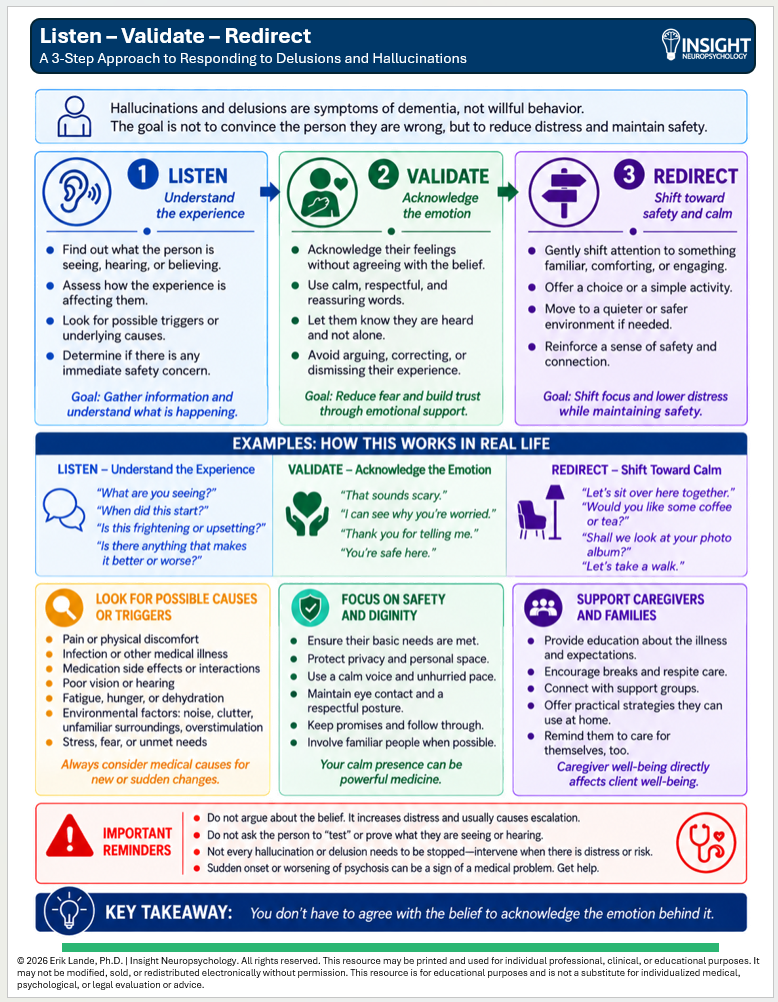
LISTEN–VALIDATE–REDIRECT: COMMUNICATION GUIDE
Respond to the emotion, not just the words when working with psychosis.
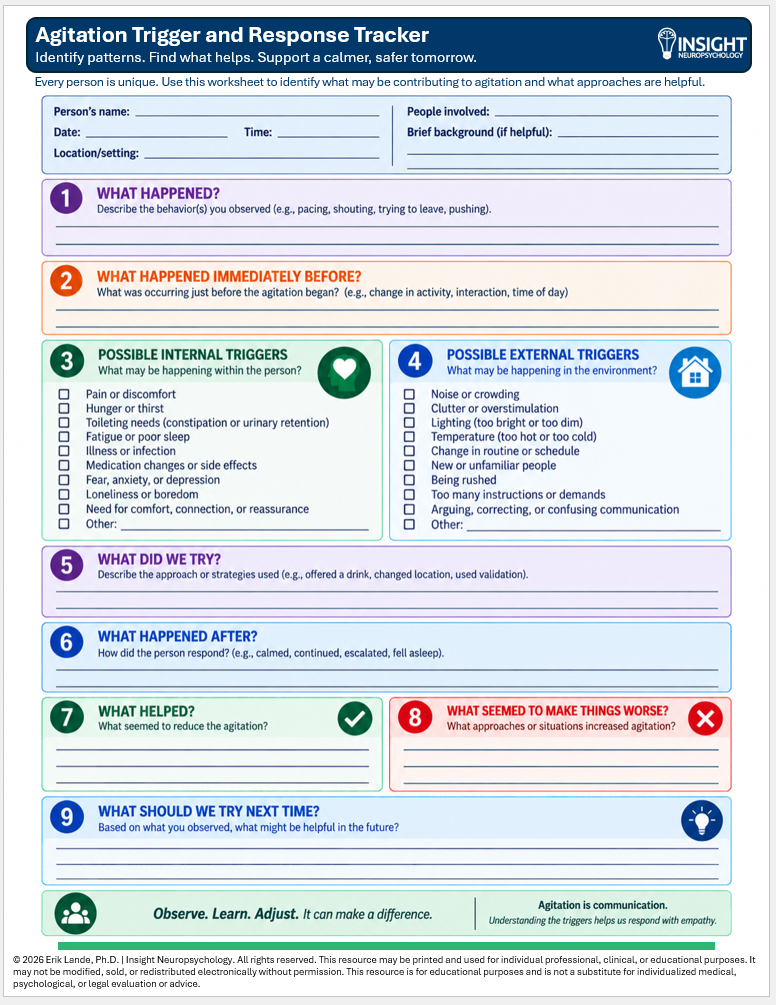
Agitation Trigger & Response Tracker
Look for the trigger. Change the response.
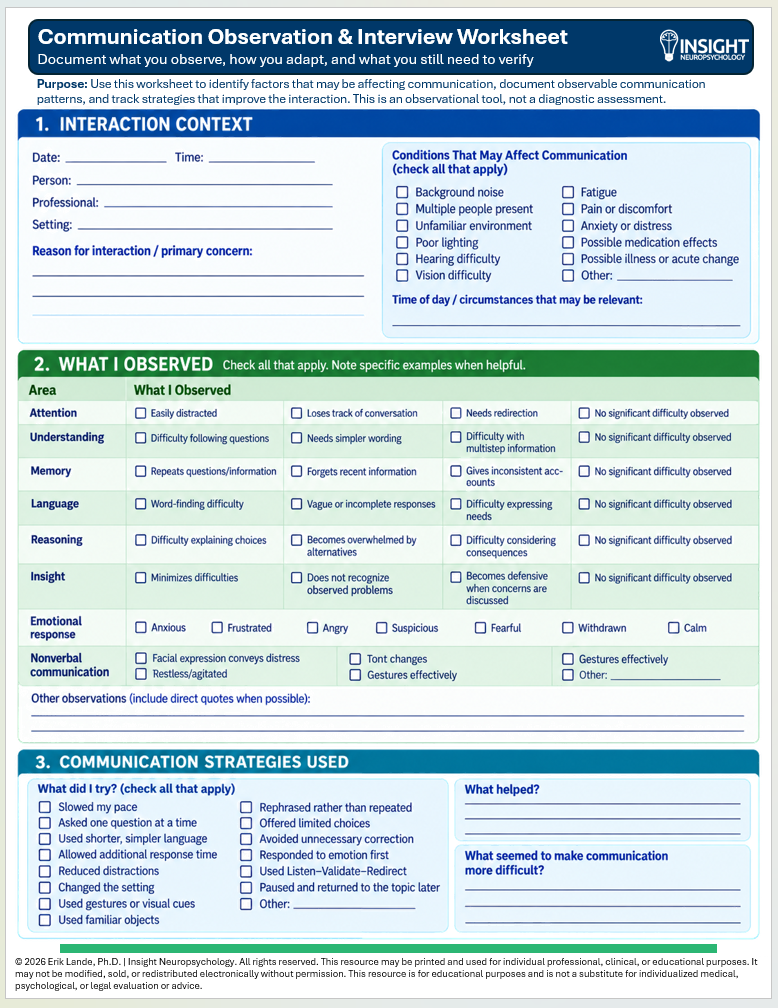
Communication Observation & Interview Worksheet
Understand how the person communicates before deciding how to respond.
More Field Tools Throughout the Guide
Additional downloads support professionals in understanding cognitive changes, responding to psychosis and agitation, communicating through aphasia and language impairment, and supporting families and caregivers.

Balancing Autonomy and Protection
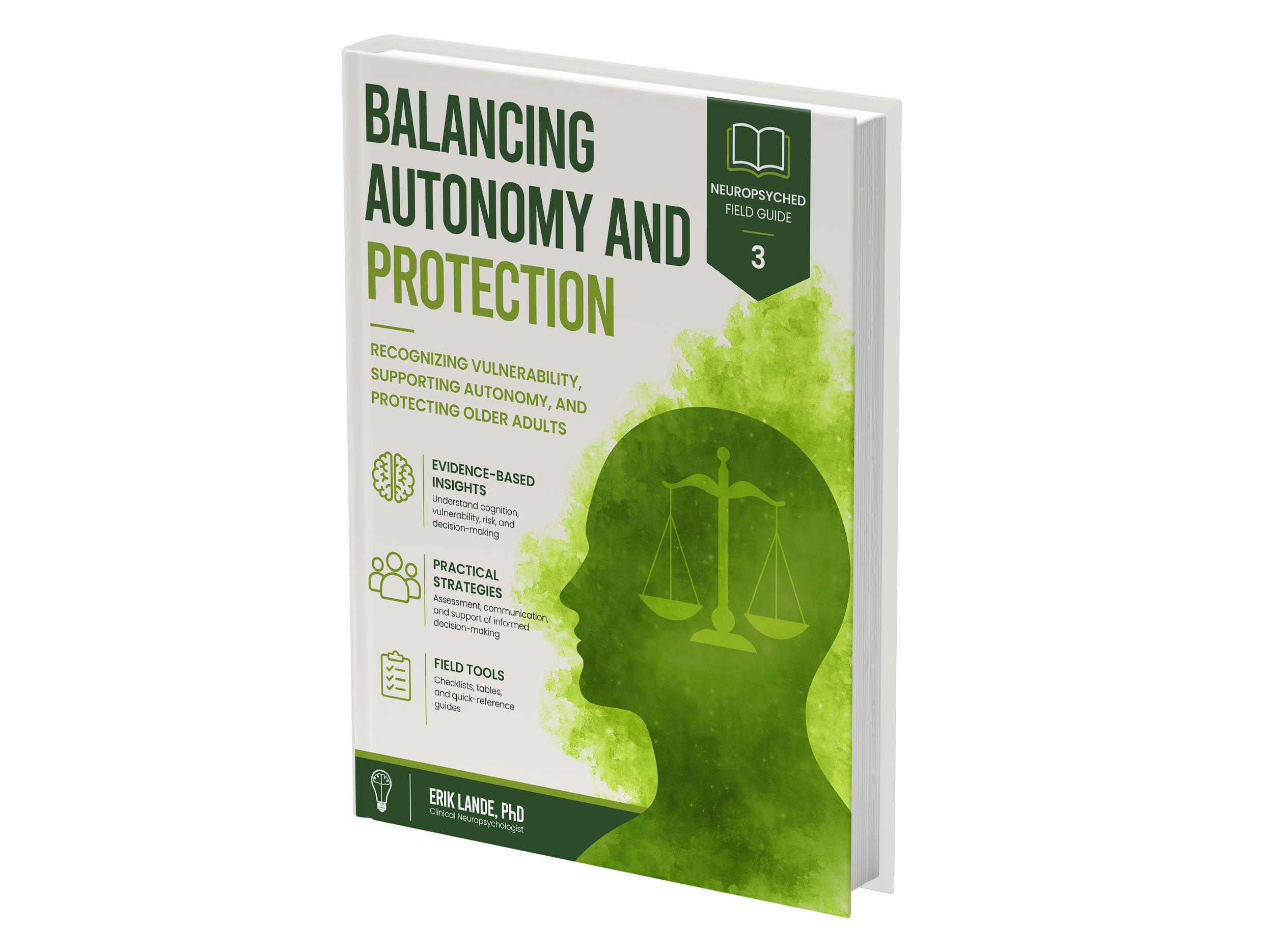
Recognizing Vulnerability, Supporting Autonomy, and Protecting Older Adults
Recognize vulnerability.
Understand the risk.
Protect without unnecessarily taking away autonomy.
Balancing Autonomy and Protection helps professionals navigate some of the most difficult situations involving older adults, including safety concerns, financial exploitation, undue influence, and questions about decision-making capacity. With an emphasis on both protection and self-determination, the guide provides practical frameworks for assessing concerns, gathering better information, and supporting decisions that respect the person while responding appropriately to risk.
Practical Tools for Complex Decisions
Balancing Autonomy and Protection includes downloadable Field Tools designed to help professionals investigate concerns systematically, document what they observe, and make more informed decisions when vulnerability and autonomy intersect. QR-linked interview guides, checklists, and decision-support tools help translate complex concepts into practical steps for use in the field.
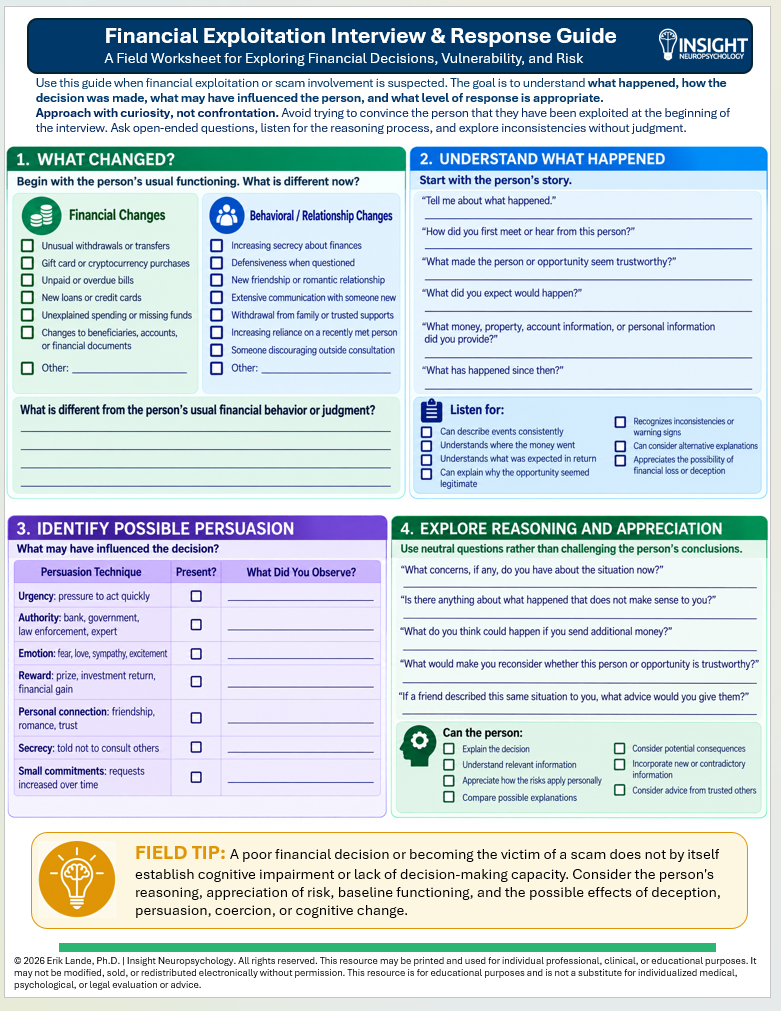
Financial Exploitation Interview & Response Guide
Move from concern to informed action.
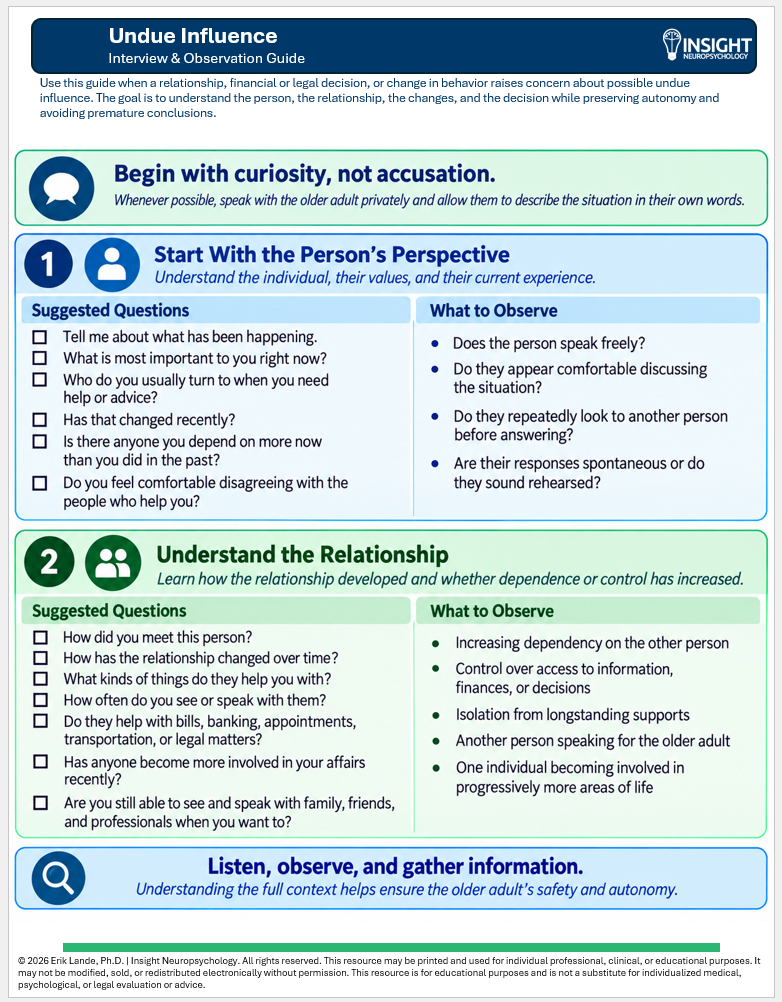
Undue Influence Interview & Observation Guide
Look beyond a single decision. Recognize the pattern.
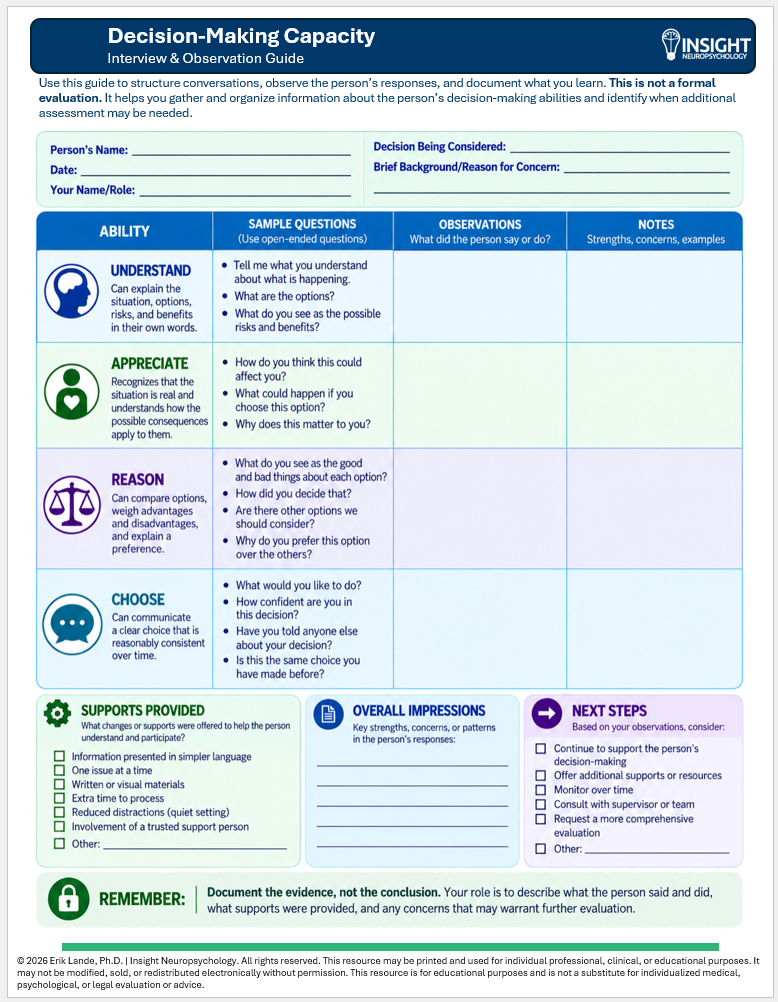
Decision-Making Capacity Interview & Observation Guide
Focus on the decision, the abilities, and the supports.
More Field Tools Throughout the Guide
Additional downloads address dementia recognition, safety concerns, financial exploitation, undue influence, decision-making capacity, and strategies for supporting autonomy whenever possible.
Find the Resource That Fits Your Work
Whether you are building a broader understanding of dementia, responding to challenging symptoms, or navigating questions of vulnerability, safety, and autonomy, the NeuroPsyched series is designed to translate clinical knowledge into practical guidance for real-world practice.
Working with Dementia
The Dementia Spectrum
Dementia Symptoms Demystified
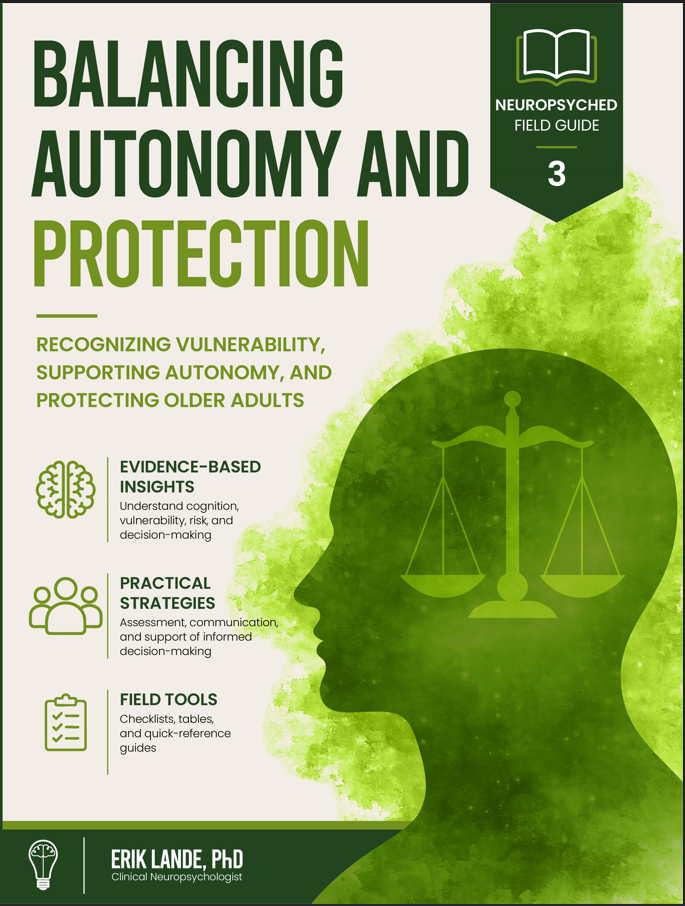
Balancing Autonomy and Protection