
Training Programs & Workshops
Practical, evidence-informed presentations and workshops designed for Adult Protective Services, Public Guardians, healthcare professionals, social workers, law enforcement, and related organizations.

Customizable Programs
Topics and duration can be tailored to your organization’s needs.

Flexible Formats
One-hour presentations, half-day and full-day workshops, and multi-session series.
Real-World Application
Practical strategies you can use in your work.

A Variety of Audiences
APS, Public Guardians, healthcare professionals, social workers, law enforcement, and more.
Training Categories
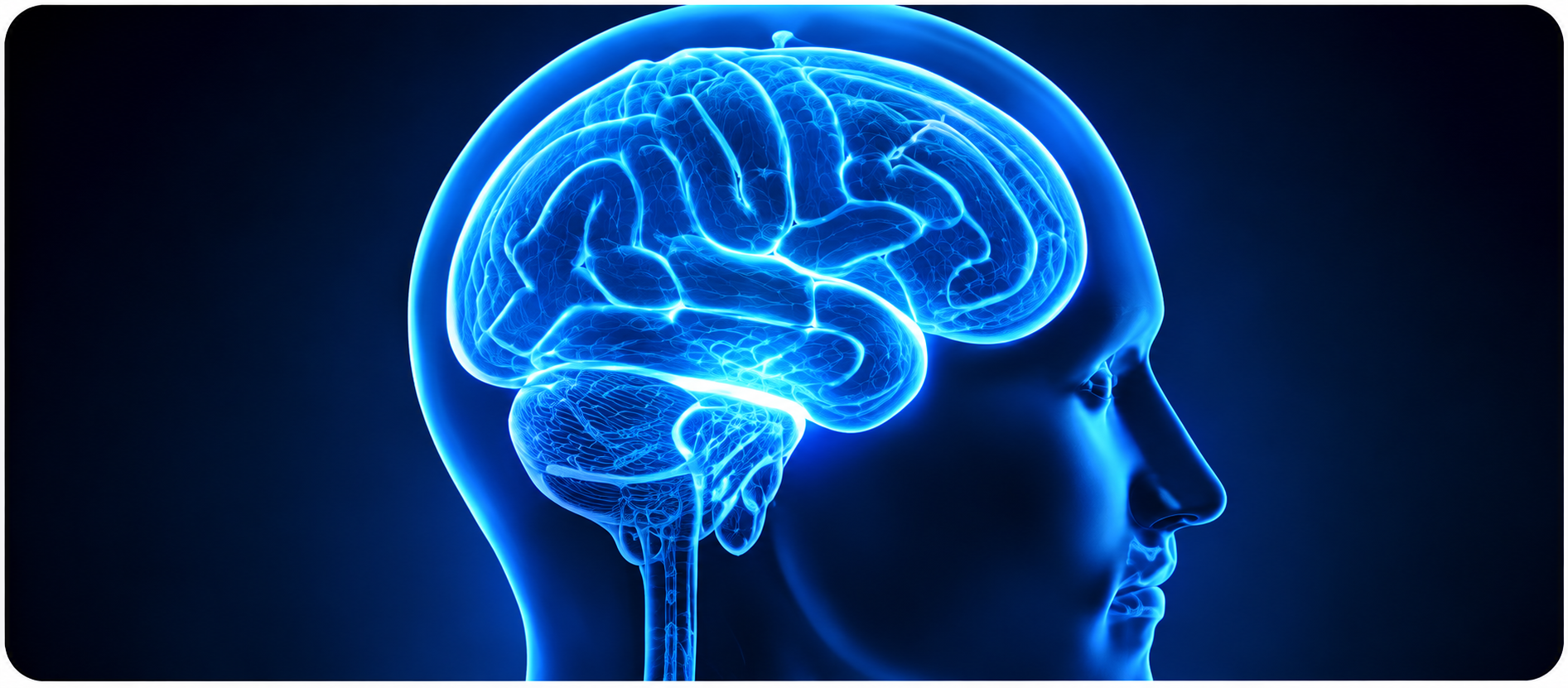
Dementia & Neurocognitive Disorders
Explore dementia, different neurological conditions, and cognitive changes with age.

Communication & Behavioral Challenges
Interviewing, communicating, and responding to challenging behaviors.

Capacity, Vulnerability & Protection
Evaluating decision-making, recognizing exploitation, and supporting autonomy.
Specialized Professional Training
Programs tailored to the responsibilities of specific professional groups.
Featured Training Programs
The Dementia Spectrum: Understanding Different Types of Major Neurocognitive Disorder
Not all dementias present the same way. Differences in symptom patterns, progression, and treatment have important implications for safety, behavior, and care planning. This series explores common and less-recognized dementias, emphasizing practical strategies tailored to each condition.
Excessive Persuasion:
From Undue Influence To Scam Victimization
Older adults can be particularly vulnerable to financial exploitation, scams, and other forms of manipulation. This presentation explores common types of exploitation, how age-related cognitive and emotional changes can increase vulnerability, and the warning signs professionals should recognize. Participants will learn practical strategies for identifying exploitation, intervening effectively, and helping protect older adults while respecting their autonomy and independence.
Reasoning with the Aging Brain: Understanding and Helping Elders and Ourselves
How does aging affect the way we think, reason, and make decisions? This engaging presentation explores the factors that influence cognitive functioning as we age, including changes that affect all of us. Participants will learn to recognize common reasoning errors and cognitive biases, both in the individuals they serve and in themselves. The session will also examine the importance of personal well-being and self-care, recognizing the physical and emotional demands of caring for and supporting others.
Communicating with Dementia: Understanding the Person Behind the Behavior
Effective communication with individuals living with dementia requires understanding how cognitive changes affect behavior, emotions, and the ability to express needs and concerns. This training provides a practical overview of dementia and its common forms, emphasizing how behaviors and reactions often serve as important forms of communication. Participants will learn strategies for effectively interviewing and interacting with individuals experiencing dementia or other significant cognitive impairments, while exploring common neuropsychiatric symptoms and approaches for responding to these challenges.
Navigating Cognitive Impairment: Interview Techniques, Dementia Screening, & Considering Decision-Making Capacity
Effectively working with individuals experiencing cognitive impairment requires understanding how changes in thinking, memory, and reasoning affect communication and decision-making. This presentation explores the different forms and causes of cognitive impairment, practical strategies for interviewing individuals with significant cognitive difficulties, and tips for using and interpreting common dementia screening tools. Participants will also learn how to recognize and evaluate decision-making capacity in everyday interactions.
Dementia Symptoms Demystified: Understanding and Responding to Common Dementia Symptoms
This four-part series focuses on the most challenging and commonly misunderstood symptoms of major neurocognitive disorder. Participants gain actionable strategies to improve communication, reduce distress, and support safer, more effective care.
Neuropsychology and Social Services
Adult Protective Services professionals are on the front lines of some of the most complex and high-stakes decisions involving vulnerable adults. This training translates the science of the aging brain into practical tools you can use immediately in the field. Drawing on years of experience consulting with APS teams and serving on Ventura County’s Rapid Response Expert Team, Dr. Lande will explore the role of brain imaging and medical tests, including emerging amyloid blood tests, clarify what neuropsychology is (and isn’t), and show how comprehensive neuropsychological assessment can strengthen your investigations, documentation, and case planning.
Specialized Training for Professional Teams
Customized trainings for APS, Public Guardians, healthcare professionals, law enforcement, and other organizations, focusing on real-world challenges of working with older adults.

a 6 hour training,
effective also as either a full day training or 1 hour a week
60-90 minutes or expanded workshop
a 3 hour training
also available as a 6 hour expanded full day training
60-90 minutes or expanded workshop
a 3 hour workshop
a 2 hour training,
effective also as either a full day training or 1 hour a week
60-90 minutes or expanded workshop
1 hour, half-day or full-day
Customized for your team

Bring Practical Neuroscience to Your Organization
Request a training, discuss a customized program, or learn more about how NeuroPsyched can support your team.